
Things to Do in Paramaribo in January
January weather, activities, events & insider tips
Low Season · Budget Friendly
January Weather in Paramaribo
Long-run averages for January
84°F (29°C)
High Temp
75°F (24°C)
Low Temp
6.8 inches (173 mm)
Rainfall
77%
Humidity
16
Rainy Days
11
Sunny-Day UV
⚠ Intense afternoon downpours hit fast. Low lying streets near the Suriname River and in the market district become temporary wading pools within minutes. Carry waterproof protection for electronics at all times. Avoid low lying underpasses during heavy rain. Allow extra travel time. Drainage infrastructure in parts of Paramaribo struggles with the volume.
⚠ Mosquito borne dengue fever risk rises during the short rainy season. Apply DEET based repellent consistently. Dawn and dusk matter most. The Suriname River waterfront demands extra caution. So does the Commewijne plantation district. Standing water from recent rains creates breeding habitat. Even the city centre sees this. Bigi Pan wetlands remain high risk.
Making the most of January in Paramaribo? Browse tours and activities in Paramaribo on GetYourGuide.
Is January Right for You?
Weigh the advantages and considerations before booking
Advantages
- + January lands in Suriname's brief rainy season. Sounds worse than it is. Rain arrives in concentrated afternoon bursts, thirty to sixty minutes, then clears. Mornings stay dry. Walk Paramaribo's UNESCO-listed inner city. Visit Fort Zeelandia. Catch a boat upriver before clouds gather. You still get five to six solid hours outdoors daily.
- + Tourist numbers hit their lowest. Paramaribo's colonial Waterkant waterfront, the Centrale Markt, and the Saint Peter and Paul Cathedral feel lived in. Not staged. Photograph the wooden Dutch facades along the riverfront. No waiting. No crowds clearing your shot.
- + Short rains make the interior forest explode with green. Brownsberg Nature Park's waterfalls run full. Peperpot's canopy grows dense enough to walk under in a downpour. Bigi Pan wetlands concentrate scarlet ibis into viewable flocks as water rises through mangrove channels. For nature photography, January ranks among the best months. Quietly.
- + Accommodation and tours book easier. Prices drop below the dry-season peak of September through November. European and Dutch visitors arrive then in larger numbers. Availability tightens across Paramaribo's limited hotel stock. January saves money.
Considerations
- − Rain falls roughly sixteen of January's thirty-one days. When it comes, it comes hard. Tropical downpours turn low-lying streets near the Suriname River into temporary streams. Afternoon outdoor plans become unreliable without flexibility. Build your itinerary around mornings.
- − Humidity averages 77%. Rarely drops below 70%. Physical activity between noon and four exhausts in ways that surprise people who think they handle heat. 29°C (84°F) air plus saturated moisture means you sweat through whatever you wear by midday. Even standing still.
- − Unpaved roads to interior sites like Brownsberg deteriorate in the short rainy season. Ruts fill with water. River crossings rise. A journey taking two and a half hours in dry season stretches past three in January. Avoid independent driving without local experience.
Settled on January? Compare hotel prices in Paramaribo for your dates on Trip.com.
Best Activities in January
Top things to do during your visit
January drops you into Paramaribo at the start of the short rainy season. Afternoon showers roll across the Suriname River in tall grey columns. They dissolve into evenings so still you can hear fruit bats clicking through the tamarind trees along Waterkant. Daytime highs sit around 84°F. Lows rarely dip below 75°F. The air holds its warmth well past sundown. Rainfall averages about 6.8 inches for the month. That is less than half of what the interior receives during the May and June peaks. Mornings tend to open bright and dry. Clouds build after midday. For travelers weighing when to visit Suriname, January delivers a workable rhythm. Explore early. Take shelter during the burst. Then walk the waterfront as the light turns copper over the river. The city itself feels unhurried compared to the Caribbean capitals a short flight north. Paramaribo's wooden colonial core, the only UNESCO-listed ensemble in the Guianas, lines Keizerstraat and Gravenstraat with Dutch-era facades. They are painted in peeling ochre, mint green, and barn red. Their shuttered windows open to catch whatever cross-breeze finds them. The smell of roti dough frying at Roopram on Waterkant mixes with diesel from passing scooters. You will catch the sweet rot of overripe mangoes split on the pavement. January is school-holiday season for Surinamese families. The Palmentuin fills with children in the late afternoon. Ice cream vendors along the central park do steady business. After dark, the nightlife scene concentrates along Cornelis Jongbawstraat and the waterfront strip. Open-air bars pump kaseko and Caribbean dancehall into the warm night. Restaurants serve a collision of Javanese, Hindustani, Creole, and Chinese cooking found nowhere else in South America. Pom, a root-vegetable casserole with citrus chicken baked until its crust crackles, sits next to bami goreng and moksi alesi on nearly every menu. Safety in Paramaribo follows the pattern of most small capitals. The historic center and waterfront are well-trafficked and comfortable on foot during daylight. After midnight it pays to stick to lit streets or take a taxi from one of the reliable stands. Accommodation ranges from guesthouses in converted colonial homes to a handful of larger properties along the river. January occupancy is moderate enough that booking a few days ahead usually secures a room. The river and the interior are the real draw for anyone looking beyond the city grid. Suriname's rainforest begins less than an hour south. It is one of the least fragmented tracts left on Earth. The wetlands to the west hold mangrove ecosystems thick with birdlife. January water levels are rising but not yet at the flood stage that makes some interior tracks impassable later in the season. This is a practical window to reach places like Brownsberg and the coastal lagoons before the heavy rains of April through June close certain routes entirely.

Paramaribo City Tour
guided_experienceThe Paramaribo City Tour walks you through the UNESCO-inscribed wooden district. The pace lets you absorb detail no solo wander would surface. You will see the Star of David carved into the door lintel of the synagogue. It shares a courtyard wall with the Neveh Shalom mosque. You will taste bara, a split-pea fritter served hot from a street cart on Domineestraat. The cool interior of the Presidential Palace has polished hardwood floors that creak underfoot. A local guide threads Suriname's layered colonial and post-independence history into the walk. They connect the peeling Dutch facades to the Hindustani and Javanese communities that reshaped the city after indenture. The route covers Fort Zeelandia, the waterfront promenade, and the Central Market. Vendors there stack towers of dried shrimp and bundles of lemongrass. You will also see the Saint Peter and Paul Cathedral. It is one of the largest wooden structures in the Western Hemisphere. Its interior smells of old timber and candle wax.
The only guided walk that unlocks the full story behind Paramaribo's improbable religious and architectural coexistence in a single morning.
Insider tip: Ask your guide to detour through the Waterkant fish market before 8 a.m. The catch comes in then. You can watch vendors scale bangamary on wooden planks slick with river water.

Full-Day Brownsberg Nature Park Tour
day_tripThe Full-Day Brownsberg Nature Park Tour hauls you from Paramaribo's sea-level flatlands up to an isolated tabletop plateau. It sits roughly 500 meters above the Brokopondo reservoir. The canopy drops away at Mazaroni Falls. You stand at the lip of a gorge listening to water crash against laterite boulders far below. The trail to the falls winds through primary rainforest dense enough to block most direct sunlight. The air is thick with the vegetal smell of decomposing leaves. It is alive with the metallic buzz of cicadas. Brownsberg is one of the most accessible patches of Suriname's interior forest. A sharp-eyed guide will point out howler monkeys in the upper canopy. You will see blue poison-dart frogs on the forest floor. Toucans flash their oversized bills between cecropia branches.
The closest full-immersion rainforest experience to Paramaribo, with a volcanic-plateau viewpoint that commands the entire reservoir basin.
Insider tip: Wear boots with ankle support, not trail sandals. The clay sections of the Mazaroni trail turn slick after rain. January showers can hit the plateau while the city stays dry.
This month: January's rising water levels keep the falls running strong. Trails can be muddy after overnight rain. Waterproof a day bag and expect slower footing on the descent.

Sunset and Dolphin Tour Suriname
guided_experienceThe Sunset and Dolphin Tour Suriname puts you on the Suriname River as the sky turns from white haze to bands of apricot and violet behind the mangrove line. Guiana dolphins surface close enough to hear the puff of their exhalation. They roll back under the tea-brown water. The boat idles near the river mouth where fresh and salt water mix. The dolphins favor this zone for feeding. The breeze off the Atlantic carries the briny tang of mudflats exposed at low tide. It is the most affordable guided excursion out of Paramaribo. It is also the shortest commitment. This makes it an easy add for travelers with only a day or two in the city.
A budget-friendly, no-effort way to see Guiana dolphins in their tidal feeding grounds while the equatorial sunset does the rest of the work.
Insider tip: Sit on the port side of the boat heading downriver. You will get the best angle on the sunset. This also keeps spray off your camera when the boat turns into the chop near the river mouth.

Bigi Pan Tourist Eco Lodge
guided_experienceBigi Pan Tourist Eco Lodge sits at the edge of one of the largest brackish lagoon systems in the Guianas. This large wetland lies west of Paramaribo. Scarlet ibises roost in such numbers that entire mangrove islands glow red at dusk. Getting there involves a drive through rice-paddy country. Then you take a boat transfer through narrow channels. The outboard motor sends white herons bursting from the waterline. The lodge is basic but functional. It is built on stilts above the lagoon. The soundtrack is an unbroken wall of frog calls, insect trill, and the hollow wingbeat of cormorants launching at first light.
The densest concentration of scarlet ibises accessible from Paramaribo, in a wetland ecosystem almost no international visitors reach.
Insider tip: Bring binoculars rated for low light. The ibis flocks return to roost at dusk. The best viewing happens in the fifteen minutes when the sky is still bright enough to see color but the birds have already settled into the mangroves.
This month: January water levels in the Bigi Pan lagoon system are moderate. This keeps the boat channels navigable. It also concentrates bird populations in the remaining shallows rather than dispersing them across flooded plains.
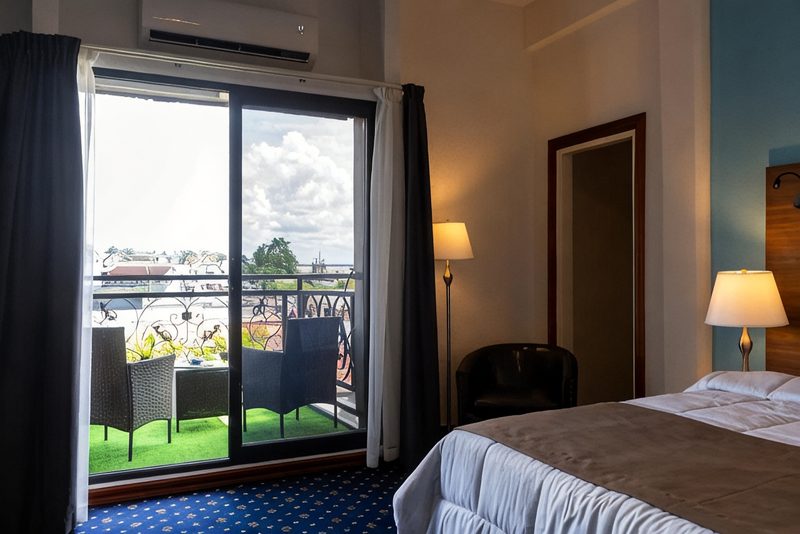
Where to Stay in Paramaribo in January
Hand-picked hotels across price tiers for January travellers.
Public Holidays in January
Dates that affect opening hours, transport and crowds
New Year's Day
Observed nationwide as a public holiday.
Three Kings Day
Observed nationwide as a public holiday.
World Religion Day
Observed nationwide as a public holiday.
New Year's Day
Observed nationwide as a public holiday.
Three Kings Day
Observed nationwide as a public holiday.
World Religion Day
Observed nationwide as a public holiday.
Chinese New Year
Observed nationwide as a public holiday.
Packing Checklist
Bookmark this page — your progress is saved between visits
Need the full list with shopping links?
Climate-specific gear, brand recommendations, and what to leave at home.
View Paramaribo Packing List →Essential Tips
Insider knowledge and common pitfalls to avoid
Insider Knowledge
The warungs, Javanese food stalls clustered in the streets south of the Centrale Markt, serve what is likely the most underappreciated food on the South American continent. Saoto soup, a clear golden Javanese chicken broth layered with crunchy bean sprouts, crisp fried potato, hard-boiled egg, and a sharp squeeze of lime, is the meal locals eat almost daily. The Hindustani roti stalls wrap vast, paper-thin flatbread around curried potatoes stained yellow with turmeric, long beans, and braised chicken, eaten with your hands while standing. Go before noon. The best stalls sell out and shut by early afternoon.
Sranan Tongo, the Creole lingua franca, opens doors that Dutch and English do not. Even a few phrases, 'fa waka' for greetings, 'tangi' for thanks, 'odi' for hello, shift how people engage with you. English works in tourist-facing settings. It drops away once you leave the Waterkant area. A phrasebook or language app downloaded before arrival is more useful here than in most South American capitals.
The Palmentuin, a palm garden a short walk from Independence Square, is where Paramaribo relaxes in the evening. Towering royal palms line gravel paths. Snack vendors set up near the entrance. Families settle onto benches as the post-rain air cools around six. It appears in almost no travel guides. It carries no admission charge. January evenings after the rain clears produce the most comfortable hour in the city, warm but no longer heavy, the palm fronds still dripping, the light going soft through the canopy.
Paramaribo after dark is safer than outdated advisories suggest. It is still a South American capital that rewards awareness. The Waterkant and central blocks around Independence Square stay well-lit and populated into the late evening. Streets south of the Centrale Markt empty out after nine. Walking alone there is best avoided. Taxis are the practical move after dark. Agree on the fare before you get in. Metered cabs are not standard here.
Avoid These Mistakes
Schedule outdoor excursions for the afternoon, when tropical rain is almost guaranteed between two and five. Paramaribo's productive sightseeing window runs from roughly six in the morning to noon. Locals structure their entire day around this pattern. Visitors who ignore it spend January frustrated and soaked.
Do not expect Caribbean beach scenery. Suriname's Atlantic coast is muddy estuary shoreline backed by mangrove, not the white-sand postcard that the region's proximity to the Caribbean suggests. Paramaribo's appeal is riverine, architectural, and forested. Travelers who arrive hoping for beach days leave disappointed. They should have been exploring the Commewijne plantations or the inner city instead.
Do not arrive without any Sranan Tongo. Dutch is the official language and English manages in tourist contexts. Paramaribo's daily language is Sranan Tongo. Not attempting even basic greetings walls you off from the warmth and humour that Surinamese people are known for. Three phrases learned before landing will change the texture of your entire trip.
Short on time? See day trips around Paramaribo on GetYourGuide.
Ready to plan your trip to Paramaribo?
Now that you've got the research covered, here's where to go next.
Explore More Activities in Paramaribo
Didn't see anything interesting yet?
Browse Viator's full catalog of tours, day trips, food experiences, and private guides in Paramaribo.
See All Paramaribo Tours on Viator